In the age of social media and viral marketing, it’s easy for events to gain massive attention and lofty expectations. Unfortunately, not all live up to the hype. From lavish themed balls to disastrous festivals, some gatherings turn into cautionary tales of over-promise and under-delivery. Here are eight events that didn’t meet their high expectations.
1. The Bridgerton Ball: A Not-So-Regal Affair
Themed after Netflix’s hit series, Bridgerton, fans had high hopes for an immersive ball that would transport them to Regency-era England. However, many attendees were left disappointed by underwhelming decor, lackluster performances, and long wait times for a limited experience. With ticket prices soaring, attendees felt like they paid for an exclusive experience but received a generic and crowded event.
2. The Fyre Festival: The Ultimate Festival Fail
Perhaps the most infamous event on this list, the Fyre Festival in 2017 was marketed as an ultra-luxurious, island-based music festival. Attendees were promised gourmet food, luxurious accommodations, and top-tier performances. What they got was half-built tents, soggy cheese sandwiches, and canceled acts. The event became a global meme and a lesson in the power (and pitfalls) of influencer marketing.
3. Burning Man 2023: A Festival Flooded
Burning Man is known for its radical art and communal spirit in the middle of Nevada’s Black Rock Desert. But 2023’s edition was marked by severe flooding after an unexpected downpour, leaving attendees trapped in the muddy desert with no easy way out. While some revelers still made the best of it, many others struggled with lack of resources and the deteriorating festival environment. The spirit of Burning Man was tested as people grappled with the muddy, chaotic conditions.
4. Charlie and the Chocolate Factory Experience: Sweet Promises, Sour Delivery
Who Could Ever forget the sad Oompa Loompa girl working with her test tubes?
Inspired by the whimsical world of Willy Wonka, the Charlie and the Chocolate Factory immersive experience promised guests a candy-coated adventure. Instead, many attendees reported lackluster interactions, disappointing scenery, and a shortage of immersive elements. The experience felt more like a cheap set rather than a golden ticket to the world of Wonka.
5. DashCon: The Meme Convention Gone Wrong
Billed as a major fan convention for Tumblr users, DashCon in 2014 was expected to be a celebration of internet culture. However, attendees arrived to find empty convention rooms, poorly organized panels, and a single, sad ball pit. The lack of preparation and chaotic management quickly turned the event into an internet joke, with images of the infamous ball pit becoming viral.
6. The Ja Rule VIP Party in NYC: More Hype Than Happening
After the Fyre Festival disaster, Ja Rule tried to redeem himself by throwing an exclusive VIP party in New York City. Unfortunately, many of the same problems followed him. Guests complained about disorganization, long lines, and a party atmosphere that didn’t deliver on its promises of celebrity appearances and extravagant entertainment.
7. TomorrowWorld 2015: Festival Gone Muddy
TomorrowWorld, an extension of Belgium’s popular Tomorrowland festival, had a strong debut in the U.S. But in 2015, due to heavy rainfall, the event turned into a mud pit. Organizers had to close off certain areas, leaving thousands of attendees stranded without transportation or proper shelter. Many couldn’t make it back to their camps, forcing them to sleep on the muddy festival grounds.
8. The 2022 “Squid Game” Experience: Not Quite the Game People Expected
Riding on the success of the Netflix series Squid Game, various cities launched immersive experiences where fans could compete in non-lethal versions of the show’s games. Unfortunately, many found the games unorganized, with some events lacking safety measures and having little resemblance to the tension and thrill of the show. The prize pool was also much smaller than expected, leaving many feeling underwhelmed.
These events serve as reminders that when it comes to experiential gatherings, hype alone can’t create magic—good planning, organization, and genuine attention to detail are what really count.
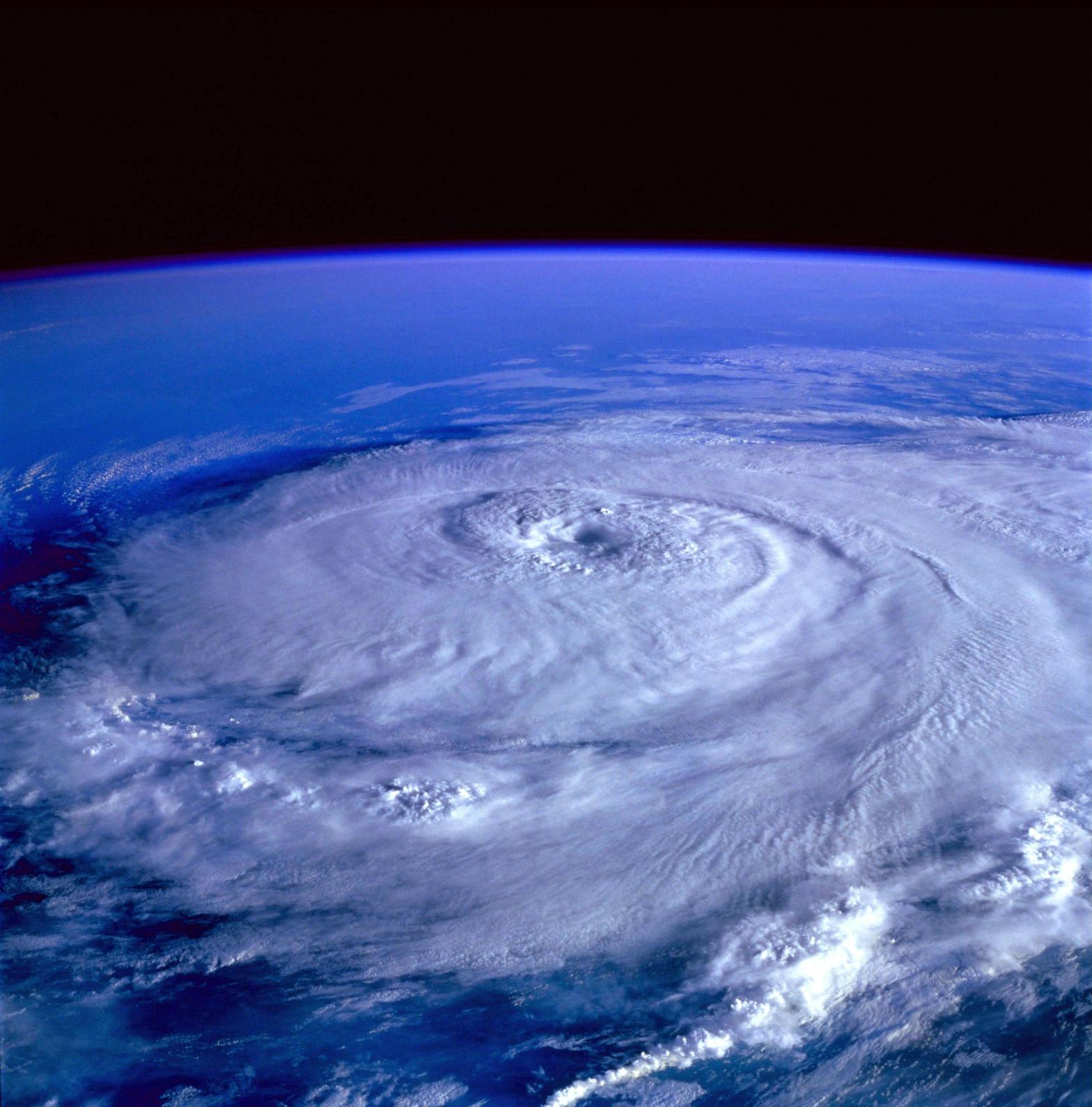
When a hurricane is approaching, the last thing you want to do is make a silly mistake that puts you or your loved ones in danger. While most of us know the basics of storm safety, it’s easy to underestimate the force of Mother Nature and overlook some obvious precautions. Here are 10 dumbass things you should absolutely avoid during a hurricane.
1. Ignoring Evacuation Orders
One of the most dangerous mistakes is staying behind when local authorities issue evacuation orders. Staying home might seem like a safer, more comfortable option, but you’re putting yourself directly in harm’s way. Hurricanes can change course unexpectedly, leaving you without a safe exit.
Tip: Always trust local authorities like the police or fire department. If they say to go, pack essentials and leave early to avoid traffic jams or detours that might happen if a road is cut off.
2. Venturing Outside to “Check Things Out”
We get it—hurricanes are fascinating natural events and to see mother nature in all its glory is exhilarating. But stepping outside during the storm is a reckless decision. Flying debris, downed power lines, and flash flooding are invisible dangers that can quickly turn deadly.
Tip: Stay indoors and follow updates through news apps or local radio stations. There’s no need to put yourself at risk just for curiosity.
3. Not Preparing for Power Outages
Some people think they can “ride out” a hurricane without prepping for power outages. That’s a big mistake! Losing electricity could mean no AC, spoiled food, and even the inability to charge phones in an emergency.
Tip: Have flashlights, extra batteries, a battery-powered radio, and portable phone chargers on hand. A stockpile of non-perishable food and water is also critical.
4. Leaving Windows Unprotected
Thinking taping your windows will keep them safe is a classic hurricane mistake. Tape does nothing to stop flying debris. Even worse, shattered glass can cause serious injuries.
Tip: Invest in storm shutters or board up your windows with plywood before the storm hits.
5. Waiting Until the Last Minute to Stock Up
Hurricanes are rarely surprises—yet many people wait until the last minute to run to the store. By the time you arrive, the shelves could be empty of essentials like bottled water, batteries, and canned goods.
Tip: Start building your emergency kit as soon as hurricane season begins. It’s better to be over-prepared than scrambling as the storm approaches.
6. Driving Through Floodwaters
One of the most life-threatening decisions you can make is driving through flooded roads. It only takes 12 inches of water to sweep away most cars, and the road underneath may be washed out.
Tip: Turn around, don’t drown. If the road looks flooded, find another route or wait until it’s safe to proceed.
7. Not Having an Emergency Plan for Pets
Our furry friends depend on us during storms, yet many forget to include them in emergency plans. Leaving pets behind or not having a way to transport them is a terrible oversight.
Tip: Make a pet emergency kit with food, water, and any medications they need. Know which shelters and hotels are pet-friendly in case of evacuation.
8. Assuming the Storm Is Over Too Soon
Just because the eye of the hurricane brings calm weather doesn’t mean it’s over. The storm can quickly whip back into action, catching unprepared people off guard.
Tip: Wait until authorities give the all-clear before assuming it’s safe to go outside or lower your guard.
9. Relying Solely on a Smartphone for Communication
It’s easy to forget that hurricanes can knock out cell service. Relying entirely on your phone for communication and news can leave you stranded if service goes down.
Tip: Have a backup, such as a battery-powered or hand-crank radio, to stay informed. Walkie-talkies or CB radios can be helpful if you’re in a small community.
10. Thinking It Won’t Happen to You
Perhaps the most foolish mistake of all is thinking, “It won’t happen to me.” And what if it did? Hurricanes don’t discriminate, and complacency can lead to deadly outcomes.
Tip: Always have a plan, no matter how many times you’ve avoided disaster. Preparation is key to survival.
This Needs Mentioning Too: Getting too Close the Beach
Sure when a hurricane comes close to the coast it brings long, gigantic waves. If you live by the coast it is a sight to be hold some might even want to get a close picture of it. Don’t do it! During hurricanes waves can range from 10 to 30 feet high, and you might feel that you are safe, then 1 wave is all it takes for a deadly outcome. During a a hurricane best to not go trying to take pictures of the waves and any watersports such as surfing, swimming or ski-boating is a definite no-no.
Tip: Stay indoors and don’t get too close the coastline during a hurricane.
And In Conclusion
Hurricanes are unpredictable forces of nature, and the best way to stay safe is by avoiding these common (and stupid!) mistakes. The right preparation and caution can save lives, so take these warnings to heart. By knowing what not to do, you can protect yourself and those you care about when the next storm rolls in
When disaster strikes, our pets rely on us to keep them safe and secure. Planning ahead can make a world of difference when it comes to protecting your furry friends during a hurricane or natural disaster. Here are a few tips to ensure their safety:
1. Create an Emergency Kit for Your Pet Just like you prepare supplies for yourself, your pet needs an emergency kit too. Include food, water, bowls, a leash, waste bags, and any necessary medications. Don’t forget copies of their vaccination records and a recent photo in case they get separated from you.
2. Secure a Safe Place Whether you plan to stay or evacuate, your pet needs a safe, enclosed space where they feel comfortable. Choose a room away from windows, and if you’re evacuating, make sure the shelter or hotel is pet-friendly.
3. Microchip and ID Tags Make sure your pet has an up-to-date ID tag and is microchipped. In chaotic situations, these can be the key to reuniting with your pet if they get lost.
4. Stay Calm Pets pick up on our emotions, so staying calm will help keep them at ease. Try to comfort them by bringing their favorite blanket or toy and giving them lots of reassurance.
5. Practice Evacuation Plans Practice your evacuation plan with your pet ahead of time, especially if you have a nervous or hard-to-handle animal. This will make the real event less stressful for everyone involved.
Natural disasters are scary, but being prepared can ensure your pet stays safe by your side through it all. Planning ahead means peace of mind for both you and your beloved pet!
The bacteria in your gut can play a significant role in more than just digestion—they can also influence how you lose weight. Research shows that a healthy balance of gut bacteria can help regulate metabolism, reduce fat storage, and even curb cravings. In this article, we’ll explore the benefits of good bacteria for weight loss and how you can boost them for better results.
How Good Bacteria Affects Weight Loss
Boosts Metabolism: Certain strains of good bacteria, like Lactobacillus and Bifidobacterium, can enhance metabolic processes, helping your body burn more calories efficiently. A well-balanced microbiome may prevent the buildup of excess fat.
Regulates Fat Storage: Good bacteria help the body break down food more effectively, preventing the over-absorption of fats and sugars. This can lead to lower fat storage, particularly in stubborn areas like the belly.
Reduces Cravings: An imbalanced gut microbiome can lead to increased cravings for sugary and processed foods. By promoting good bacteria, you can better regulate hunger hormones like ghrelin, helping to reduce overeating and curb cravings.
Fights Inflammation: Chronic inflammation is a key factor in obesity, and good bacteria can help reduce inflammation throughout the body. By maintaining a healthy gut, you can lower inflammation, making it easier to shed unwanted pounds through movement and exercise.
How to Get More Good Bacteria that Help With Weight Loss
Eat Fermented Foods: Foods like yogurt, kefir, kimchi, and sauerkraut are rich in probiotics—live beneficial bacteria that can improve gut health and support weight loss.
Increase Prebiotic Foods: Prebiotics are fibers that feed good bacteria. Foods like garlic, onions, bananas, and oats help good bacteria thrive, enhancing their ability to support weight management.
Take Probiotic Supplements: A high-quality probiotic supplement can introduce beneficial strains of bacteria to your gut, boosting your weight loss efforts. Look for supplements with multiple strains like Lactobacillus gasseri and Bifidobacterium breve.
Cut Down on Sugar: Bad bacteria feed on sugar, leading to an imbalance in the gut. Reducing sugar intake can help good bacteria flourish, improving gut health and supporting your weight loss journey.
Conclusion
Good bacteria play a powerful role in weight management by boosting metabolism, reducing fat storage, and curbing cravings. So by adding more probiotic and prebiotic foods to your diet, or considering a probiotic supplement, you can enhance your gut health and support your weight loss goals. A healthy gut is a key part of sustainable, long-term weight loss. So be sure to take care of it?
Any good examples how your weight loss goals were achieved by enhancing your gut health? Leave your comments below.
There has been a huge media outrage on how in the town of Springfield, Ohio the Haitians are going after the cats, dogs and all the town’s fuzzy companions. Throughout history, certain cultures have been associated with various food practices that may seem unusual or misunderstood to outsiders. One common belief that often arises is the that Haitians eat cats and dogs. This notion has been sensationalized, but it’s good to examine it from a factual and cultural perspective.
So do They? Cultural Practices and Misconceptions
The belief that Haitians consume cats and dogs stems from a combination of stereotypes, historical events, and occasional isolated incidents. Haiti, like many other countries, has faced extreme poverty, particularly following natural disasters like the 2010 earthquake. In times of severe hardship, desperate people may resort to unorthodox means to survive, but such cases are not really a part their of cultural or widespread practices.
Sorry to tell you. The majority of Haitians do not eat cats and dogs, and there is no culinary tradition or religious significance tied to the consumption of these animals. Instead, Haitian cuisine is rich with tropical flavors, relying on staples like rice, beans, plantains, pork, and chicken. Dishes such as griot (fried pork) and tassot (fried beef or goat) are much more reflective of the country’s culinary heritage.
Do They Use Cats, Dogs or Geese for Their Voodoo?
Another factor that has contributed to the misconception about Haitians eating cats and dogs is the misunderstanding of Voodoo, a religion practiced by a significant portion of the population. Voodoo rituals sometimes involve the use of animals, but these practices are spiritual rather than culinary.
In Haitian Voodoo, animals like chickens are occasionally sacrificed as offerings to spirits. However, this practice is not exclusive to Haiti; similar traditions can be found in various African and Caribbean cultures. It’s important to distinguish between religious rituals and culinary habits when discussing cultural practices.
Poverty and Desperation
Unfortunately, poverty and food insecurity have plagued Haiti for many years. As a result, rumors of people consuming non-traditional animals may arise during times of extreme hunger. However, these incidents are isolated and should not be viewed as a cultural norm.
It’s also worth noting that similar misconceptions have occurred in other countries facing severe economic hardships. For example, during the Great Depression in the United States, reports of people eating unconventional food sources surfaced, but these actions were driven by desperation, not tradition.
A good example is recently in Zimbabwe, they have decided to cull their elephants for food consumption due to a drought that has affected most of the country in 2024.
Animal Rights and Global Perceptions
The consumption of animals like cats and dogs is not entirely unheard of in certain parts of the world. In countries like China and South Korea, dog meat is still consumed by some communities, although it is increasingly controversial and less common in urban areas. These cultural differences have led to misunderstandings and sometimes unfair generalizations about other nations, including Haiti.
In Haiti, however, dogs and cats are generally viewed as companions, much like in other parts of the world. While street dogs (referred to as “chyen erran”) may be common, Haitians do not traditionally consume these animals.
Conclusion
The idea that Haitians eat cats and dogs is largely a myth, fueled by misunderstanding and occasional isolated incidents in extreme circumstances. Haitian cuisine is a celebration of vibrant flavors, deeply rooted in African, French, and Caribbean influences. Misconceptions about eating practices can often arise from cultural differences, poverty, or misrepresentations in media.
When examining any cultural practice, it’s essential to separate fact from fiction and avoid perpetuating stereotypes. While people in desperate situations may resort to extraordinary measures, such actions do not reflect the broader traditions or values of a nation. Haiti, with its rich history, diverse culture, and resilient people, deserves to be understood through a more nuanced and respectful lens.
References:
Farmer, Paul. Haiti After the Earthquake. PublicAffairs, 2011.
Dubois, Laurent. Haiti: The Aftershocks of History. Metropolitan Books, 2012.
Tarter, Andrew. “Haitian Voodoo and the Misconception of Animal Sacrifice.” Journal of Caribbean Religious Studies, vol. 8, no. 1, 2018.
Bergan, David. “Cultural Stereotypes in the Caribbean: The Case of Haiti.” Caribbean Studies Review, vol. 11, no. 2, 2020.
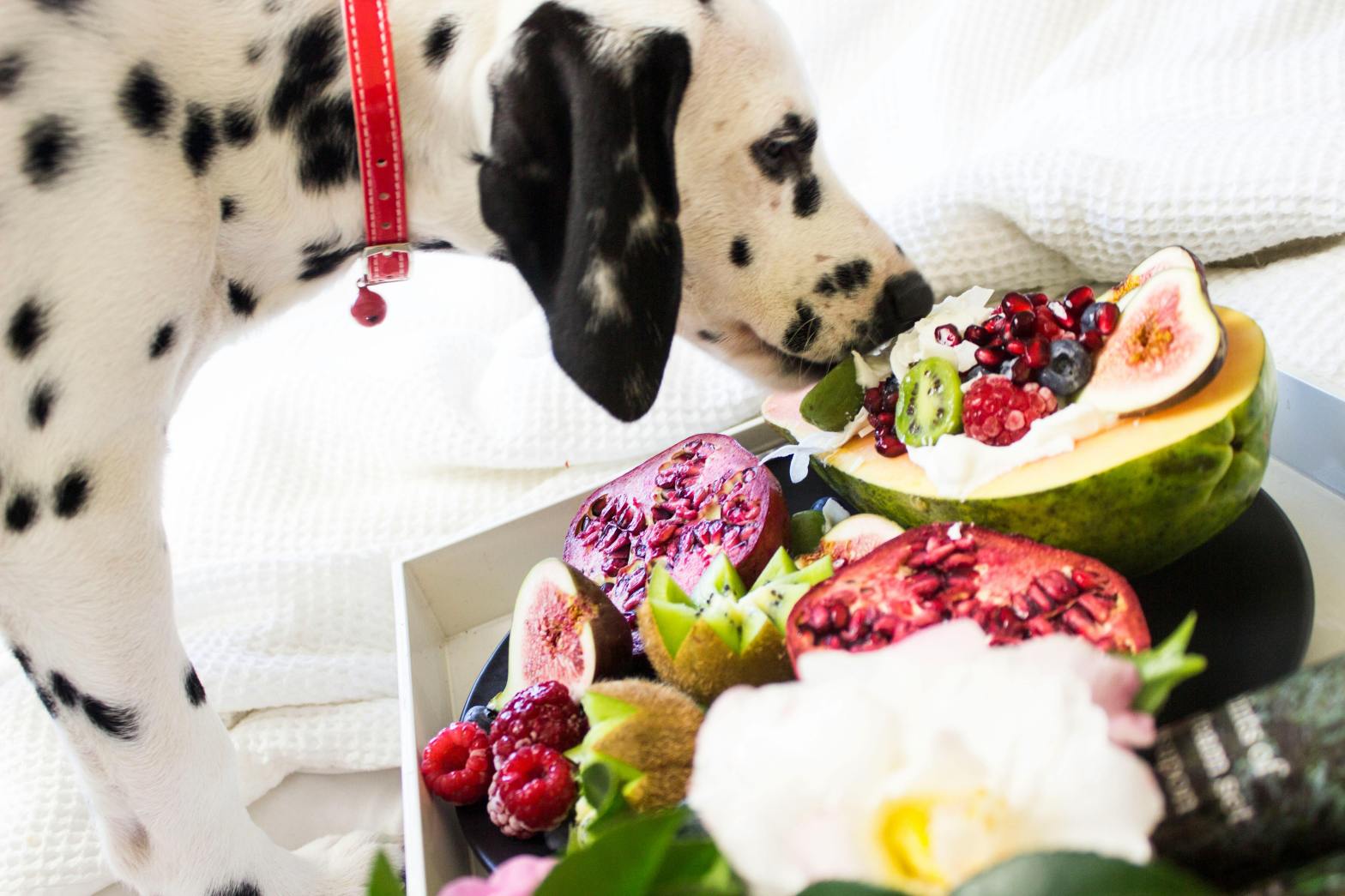
As a loving dog owner, you want to give your furry friend the best of everything, including treats that are both delicious and safe. While many commercial dog treats are available, sometimes it’s nice to offer something fresh and natural. Fruits can be a wonderful option, providing not only a tasty snack but also a healthy boost of vitamins and nutrients. However, not all fruits are safe for dogs, and it’s crucial to know which ones are okay to share. Here we’ll explore a variety of fruits that dogs can safely enjoy, how to prepare them, and the benefits they offer.
Fruit to Your Dog? You Sure?
Giving your pet companion a fruity treat can be a great addition to your dog’s diet. They are generally low in calories, high in fiber, and packed with essential vitamins and minerals. Many fruits also contain antioxidants, which can help support your dog’s immune system and overall health. When offered in moderation, fruits can complement your dog’s regular diet and provide a refreshing, hydrating snack, especially on hot days.
Safe Fruits for Dogs
Let’s dive into some of the best fruits that you can safely share with your dog.
1. Apples
Apples are a popular fruit choice for dogs. They are rich in vitamins A and C, and the fiber in apples can help with your dog’s digestion. The crunchiness of apples can also help clean your dog’s teeth. However, it’s important to remove the seeds and core before offering apple slices to your dog, as the seeds contain cyanide, which is toxic in large quantities.
How to Serve: Slice the apple into bite-sized pieces, ensuring all seeds are removed. You can serve them fresh or freeze the slices for a cool treat in the summer.
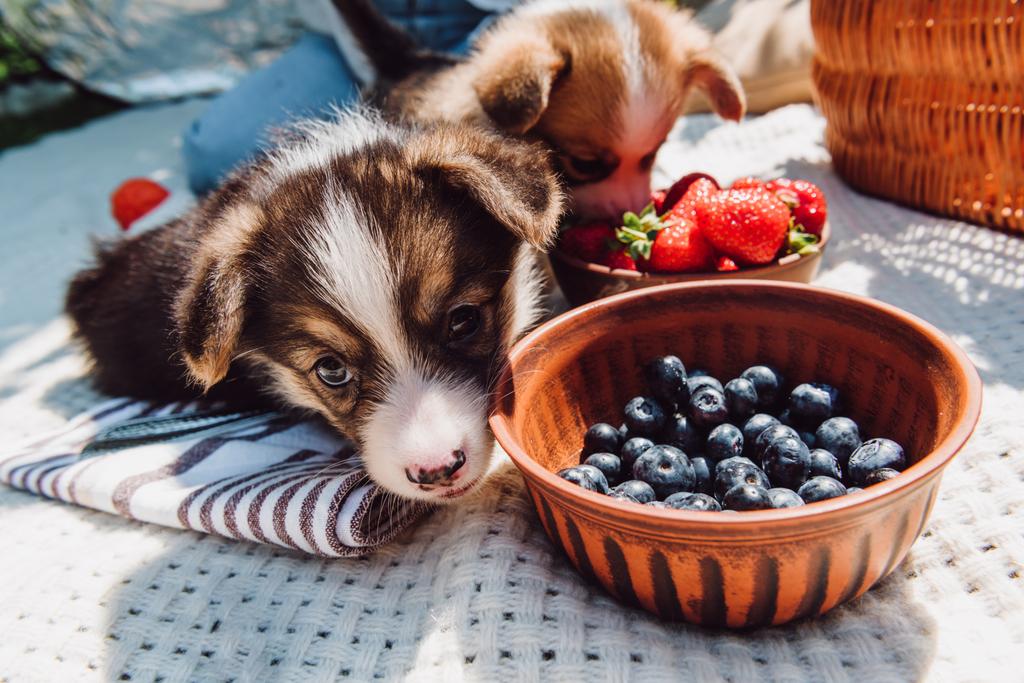
2. Blueberries
These tiny, antioxidant-rich berries are a superfood for dogs. Blueberries are low in calories and packed with vitamin C, fiber, and antioxidants, which can help protect your dog’s cells from damage and boost their immune system.
How to Serve: Rinse thoroughly and offer a few berries as a snack or mix them into your dog’s food. They can also be frozen for a crunchy treat.
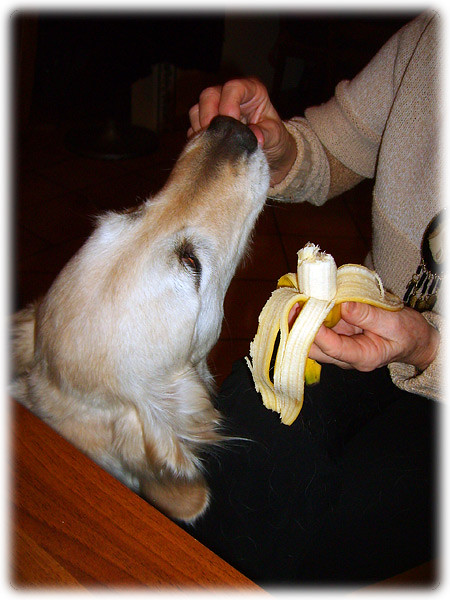
3. Bananas
Bananas are a sweet, easy-to-digest treat that most dogs love. They are a good source of potassium, vitamin B6, and vitamin C. Bananas also contain fiber, which can help with digestive health. However, because they are higher in sugar than some other fruits, bananas should be given in moderation.
How to Serve: Slice into small pieces or mash it up and mix it with your dog’s regular food. You can also freeze banana slices for a refreshing treat.
4. Watermelon
Watermelon is a hydrating fruit that’s perfect for summer. It’s low in calories and packed with vitamins A, B6, and C. Watermelon is also 92% water, making it a great choice for keeping your dog hydrated. However, make sure to remove all seeds and the rind, as they can cause digestive issues.
How to Serve: Cut the watermelon into small, seedless cubes, or use a melon baller for fun, bite-sized pieces. Serve fresh or freeze the pieces for a cool, hydrating treat.
5. Strawberries
Strawberries are another sweet treat that’s safe for dogs. They are high in fiber and vitamin C and contain an enzyme that can help whiten your dog’s teeth. Like bananas, strawberries are also higher in sugar, so they should be given in moderation.
How to Serve: Wash thoroughly and remove the green tops. You can cut them into small pieces or mash them up. Strawberries can also be frozen for a refreshing snack.
6. Pineapple
Pineapple is a tropical treat that’s safe for dogs when given in small amounts. It’s rich in vitamins, minerals, and fiber, making it a nutritious choice. However, pineapple is also high in natural sugars, so it should be offered sparingly. Be sure to remove the tough outer skin and core before giving pineapple to your dog.
How to Serve: Cut the pineapple into small, bite-sized pieces. You can serve it fresh or frozen. Pineapple also pairs well with other dog-safe fruits in a homemade fruit salad.
7. Pears
Pears are another safe fruit option for dogs. They are a good source of vitamins C and K, as well as fiber. As with apples, it’s important to remove the seeds and core, as pear seeds contain small amounts of cyanide.
How to Serve: Slice the pear into small, seedless pieces. Serve fresh or add it to your dog’s regular food for a burst of flavor.
Fruits to Avoid
While many fruits are safe for dogs, some should be avoided due to their toxic nature or potential to cause digestive problems. Here are a few fruits that should never be given to dogs:
Grapes and Raisins: These can cause kidney failure in dogs, even in small amounts.
Cherries: The pits, stems, and leaves contain cyanide, which is toxic to dogs.
Avocado: The skin, pit, and leaves contain persin, a toxin that can cause vomiting and diarrhea.
Citrus Fruits (Oranges, Lemons, Limes): While not highly toxic, citrus fruits can cause upset stomachs and irritation in dogs.
Tips for Introducing Fruits to Your Dog
When introducing new fruits to your dog, it’s important to start slowly and watch for any signs of allergic reactions or digestive upset. Here are a few tips:
Start Small: Offer a small piece of fruit and observe your dog’s reaction. If they enjoy it and have no adverse effects, you can gradually increase the amount.
Moderation is Key: While fruits are healthy, they should only make up a small percentage of your dog’s diet. Too much fruit can lead to digestive issues or weight gain.
Consult Your Vet: If you’re unsure about whether a specific fruit is safe for your dog, it’s always best to consult your veterinarian.
Conclusion
Incorporating fruits into your dog’s diet can be a wonderful way to offer variety and additional nutrients into their menu. By choosing safe, dog-friendly fruits and serving them in moderation, you can treat your dog to delicious snacks that are both healthy and enjoyable. Remember to always introduce new foods gradually and consult with your vet if you have any concerns. With the right choices, fruit can be a fun and nutritious part of your dog’s diet, adding a little extra love to each treat.
This article is for informational purposes only and is not a substitute for professional veterinary advice.
Surfing lets us connect with the ocean’s power. To excel and enjoy it fully, knowing surf etiquette is key. This guide will help you surf better and respect others and the sea.
Key Takeaways
Learn the priority system and lineup order to avoid conflicts on the water.
Respect the ocean and your fellow surfers by avoiding dangerous maneuvers and collisions.
Understand the right of way and how to read the waves to safely navigate the lineup.
Embrace the surf culture and show respect for local break rules and traditions.
Prioritize ocean safety and minimize the risk of injuries through mindful surfing practices.
Understanding the Importance of Surf Etiquette
Surfing is more than just catching waves; it’s about respecting the ocean and others in the lineup. Surf etiquette is a set of rules that keeps the surf area safe and peaceful. By following these rules, you help make the surf community a better place for everyone.
Wave Priority and the Lineup Order
Knowing who gets to surf first is key in the lineup. The surfer closest to the wave gets to go first. This rule helps everyone take turns and avoids accidents. Make sure you know where you are in the lineup to keep things smooth.
Respecting the Ocean and Fellow Surfers
Surfing lets us enjoy the ocean’s power, and we should respect it. Always be aware of your surroundings and be kind to others in the water. Don’t cut off others or try to surf their wave. Working together, we can make the surf a great place for everyone.
Surf Etiquette Principle
Explanation
Wave Priority
The surfer closest to the breaking wave has the right of way.
Lineup Order
Respect the order of surfers waiting for their turn to catch a wave.
Respect for Others
Be considerate of your fellow surfers and avoid disrupting their experience.
Embracing surf etiquette helps keep the ocean safe and fun for everyone. Being a good surfer isn’t just about skills; it’s also about being respectful in the surf community.
Never Drop In: The Golden Rule of Surf Etiquette
In surfing, there’s a key rule: never drop in on another surfer’s wave. This act is a big no-no in surf etiquette. It’s also risky and can put everyone’s safety at risk.
The right of way in surfing goes to the surfer closest to the wave’s peak. It’s important to follow this rule to keep the ocean safe and peaceful for all. When you drop in, you upset this balance, causing possible crashes, injuries, and arguments.
Dropping in can cause dangerous situations, leading to collisions and injuries.
It disrespects the established right of way and wave priority system.
Maintaining ocean safety should be the top priority for all surfers.
Surfers should live by the aloha spirit and respect each other. By never dropping in, we make surfing better for everyone. The ocean is for sharing, and surf etiquette lets us all enjoy the waves.
“The true essence of surfing is respecting the ocean and your fellow surfers. Dropping in is a surefire way to ruin that spirit.”
Surf Etiquette: Reading the Waves and the Right of Way
Surfing is more than just riding waves. It’s a dance with the ocean and other surfers. Knowing how to read the waves and follow the right of way is key. This knowledge helps keep the lineup safe and respectful for everyone.
Ocean Safety: Avoiding Collisions and Injuries
Keeping the ocean safe is a big part of surfing. Collisions and injuries can happen if you’re not watching the lineup and other surfers. It’s important to keep an eye on the lineup and talk with other surfers to avoid accidents.
Scan the lineup: Always look at the waves and see where other surfers are. This helps you know where they might go.
Communicate clearly: Use hand signals, shout, or talk to let others know what you plan to do, like catching a wave or paddling out.
Respect the right of way: Know who gets priority on a wave and let them go first.
Maintain ocean safety: Watch out for others, stay away from them, and don’t do anything dangerous that could hurt you or others.
Following these surf etiquette rules makes surfing safe and fun for everyone. It helps create a respectful surf culture and shows our love for the ocean.
“Surfing is a dance with nature, and the ocean is the dance floor. Respect the waves, respect the lineup, and you’ll find the rhythm that connects you to the spirit of the sport.”
Embracing Surf Culture and the Spirit of Aloha
Surf culture is all about the spirit of aloha. This means being kind, respectful, and part of a community. By living these values, you make your surfing better and help build a positive surf culture. The aloha spirit teaches us to think about how our actions affect others. It helps create a place where everyone understands and supports each other.
Showing Respect for the Local Surf Break Rules
Respecting local surf break rules is key to keeping the surfing community balanced and harmonious. These rules make sure everyone can surf safely and fairly. Whether you’re a local or just visiting, knowing and following these rules helps make the surf spot welcoming for all. Showing respect for the local surf culture makes you a valued part of the community. This way, you’ll have a better surfing experience.
FAQ
What is the importance of surf etiquette?
Surf etiquette keeps the lineup safe and respectful. It teaches surfers how to share the waves and stay safe. This way, everyone can enjoy the sport together.
What is the order of wave priority in the lineup?
The order is simple: the surfer closest to the wave’s peak gets priority. Then, the one furthest inside, and lastly, the surfer already riding the wave.
What is the “golden rule” of surf etiquette?
The “golden rule” says never to drop in on another surfer’s wave. It’s dangerous and rude, as it takes away the surfer’s right to the wave.
How can I read the waves and determine the right of way?
To figure out the right of way, watch the waves and see who’s closest to the peak, inside, or already on the wave.
Why is it important to respect the local surf break rules?
Following local surf break rules keeps the surf community positive and safe. It lets everyone enjoy the waves safely and with respect.
I still remember the thrill of catching my first wave. The rush of adrenaline and the ocean’s power beneath me was exhilarating. It’s a moment I’ll always cherish. Finding the right surfboard can be tough, especially for beginners. That’s why I’m here to help you pick the perfect one, just like I did years ago.
Key Takeaways
Understand the basics of surfboard design, including length, width, thickness, rocker, and tail shapes.
Determine the right surfboard for your skill level, whether you’re a beginner or an experienced surfer.
Learn how to match your surfboard to the wave conditions for optimal performance.
Explore the different types of surfboard construction, from traditional polyurethane foam to innovative epoxy and alternative materials.
Discover the secrets to choosing the perfect surfboard that will help you catch the wave of your dreams.
Understanding the Basics of Surfboard Design
Making the perfect surfboard is like creating art. It needs a deep knowledge of its design elements. These include the length, width, thickness, rocker, and tail shape. Each one affects how the surfboard performs and suits different waves and skill levels.
Length, Width, and Thickness
The surfboard length affects its stability and how easy it is to move. Longer boards are good for experienced surfers because they are stable and glide well. Shorter boards are better for quick turns and are great for beginners.
The surfboard width helps with paddling speed and catching waves. Wider boards are easier for beginners. The surfboard thickness affects how buoyant the board is and how it feels in the water.
Rocker and Tail Shapes
The surfboard rocker is the curve from nose to tail. It changes how the board responds and handles waves. A big rocker is good for steep waves, while a flat rocker is better for small waves.
The surfboard tail shape also matters. You can choose from a round tail, thruster setup, or squash tail. Each type changes how the board performs.
Knowing these design elements helps you pick the right surfboard. It should match your surfing style, the waves you like, and your skill level. Trying out different surfboards will improve your surfing and help you catch great waves.
Surfboard Design Element
Impact on Performance
Length
Stability and maneuverability
Width
Paddling speed and wave-catching ability
Thickness
Buoyancy and overall feel in the water
Rocker
Responsiveness and wave handling
Tail Shape
Turning ability and overall performance characteristics
Finding the Right Surfboard for Your Skill Level
Choosing the right surfboard is key for both beginners and experts. The right board can greatly improve your surfing experience. I’ll help you pick the best board for your skill level, so you can progress and enjoy surfing more.
Beginner Surfboards
Beginners should look for a beginner surfboard that’s stable and easy to handle. These boards are longer, wider, and thicker than others. They provide the buoyancy and stability you need to catch waves easily.
For beginners, consider a soft-top or foamboard. They’re more forgiving and safer if you fall. These boards are durable, easy to use, and perfect for new surfers.
Surfboard Characteristics for Beginners
Recommended Specifications
Length
8 feet or longer
Width
22-24 inches
Thickness
3-4 inches
Construction
Soft-top or foamboard
“The right surfboard can make all the difference in your progress as a beginner surfer. Choose one that provides the stability and buoyancy you need to catch waves and find your balance.”
Surfing: Matching the Board to the Wave Conditions
As a surfer, I’ve found that picking the right surfboard is key to a great surfing experience. It doesn’t matter if you’re surfing at home or trying new spots. Knowing how to choose a board that fits the waves can improve your surfing and make it more fun.
One important thing to think about is the wave conditions. Waves come in different types, like steep and powerful, gentle, or mushy beach breaks. Each type needs a surfboard with certain features for better control, speed, and moves. Picking the right surfboard for different waves is crucial for success in surfing.
For steep and powerful waves, a short, wide board with a rounded nose and tail works best. It gives you stability and quick responses to handle the wave’s power. On the other hand, for smaller, gentler waves, a longer, narrower board helps you speed up and glide smoothly.
Steep and powerful waves: Short, wide, and more forgiving boards with rounded nose and tail
Smaller, gentler waves: Longer, narrower, and more streamlined boards
The surf spot also affects the best surfboard choice. Some spots have fast, hollow waves, while others have long, peeling waves. Picking the right surfboard for different surf spots helps you read the wave and perform better, leading to exciting sessions.
Understanding how wave conditions and surfboards work together helps you make smart choices. This way, you’ll have the right board for any wave, improving your surfboard performance on every ride.
Exploring Different Types of Surfboard Construction
When looking at surfboard construction, you’ll see many options. Each has its own special features and things to think about. From the classic polyurethane foam to the newer epoxy and alternative materials, your choice affects your surfing.
Traditional Polyurethane Foam
Polyurethane foam surfboards are the most common type. They are durable, perform well, and are affordable. These boards have a foam core covered with fiberglass and resin. This makes them strong and responsive.
They are versatile, making them great for many waves and skill levels. Many surfers choose them for this reason.
Epoxy and Alternative Materials
Recently, epoxy and other alternative materials have become more popular. Epoxy surfboards are light but strong. They often use materials like carbon fiber or bamboo. These boards are faster and more responsive, perfect for advanced surfers.
Other alternatives like EPS foam and recycled plastics are also popular. They are good for the environment. Surfers who care about the planet choose these options.
Choosing the right surfboard depends on what you like, your skill level, and where you surf. Look into different options and think about weight, strength, and being eco-friendly. This will help you find the perfect board for your surfing adventures.
Conclusion
As the sun sets on our exploration of surfboard selection, I’ve learned a lot about catching the perfect wave. We’ve covered everything from surfboard design to matching your gear with your skill level and the wave conditions. This journey has been both enlightening and thrilling.
Choosing the right surfboard is key to the thrill of surfing. By understanding surfboard selection, surfing gear, and surfing tips, you’ll improve your chances of catching the perfect wave. Whether you’re experienced or just starting, the right board can change your surfing experience.
As you start your surfing journey, let your surfboard be your trusted friend. Embrace the endless possibilities ahead and let the waves take you to new heights of excitement and growth. The perfect wave is waiting for you to find it.
FAQ
What are the key factors to consider when choosing the perfect surfboard?
When picking the right surfboard, think about its length, width, thickness, rocker, and tail shape. These features affect how the board performs and fits your skill level and the waves you surf.
How do I choose a surfboard that’s suitable for my skill level?
It’s important to match your surfboard with your skill level for better progress and fun. Beginners should look for a longer, wider, and thicker board for stability and easy paddling. As you get better, switch to shorter, narrower boards for better turns and control.
How do I select the right surfboard for the wave conditions at my local surf spot?
Choosing a surfboard that fits the waves at your spot is crucial for great surfing. For small, soft waves, a board with more volume and a rounded tail works well. For big, steep waves, a board with less volume and a sharp tail is better for quick turns and control.
What are the differences between traditional polyurethane foam and modern epoxy surfboards?
Polyurethane foam surfboards are the classic choice, known for their toughness and traditional feel. Epoxy surfboards are lighter, more agile, and better for the environment. Your choice depends on what you prefer, your budget, and how important sustainability is to you.
How can I ensure I’m catching the perfect wave with my chosen surfboard?
Catching the perfect wave means knowing how your surfboard, your skills, and the waves work together. Pick a board that matches your abilities and the waves you surf, and you’ll improve your performance and enjoy the ride of your dreams.
Surfing is one of the sexiest and coolest sports out there and it will be in the coming Olympics starting from 2020 in Japan. Apart from being a cool sport it also has some of the world’s sexiest sportswomen and sportsmen from around the world.
The way they shred, what they wear and what they do, just oozes raw power that men and woman admire. So without further delays here is the top 10 hottest female surfers out there. I have also included their instagram and/or twitter so you can follow them.
Remember they are hot not just for their looks. They’re surfing prowess, and global influence to the surfing world is also important as well.
10. The Surfer Gal Still that Keeps Rising: Sage Erickson
Stance: Regular DOB: 28 December 1990 Hometown: Ventura, California
Sage Erickson is still at it and still got her competitive edge in the surfing world. With her determination and love for surf, she is always a marvel to watch in the competition.
9. Globetrotter, Shopkeeper & Pro Surfer: Quincy Davis
Stance: Regular DOB: 18 May 1995 Hometown: Montauk, New York Favorite Surf Maneuver: Front Side Snap
Mellowing or surfing, it is all good.
She started her surfing when was seven after feeling swimming and running was not enough for her to fill her summer days. After few years of competing in local events her mom decided to enter into bigger competitions and she never looked back since. If are looking for her she is either travelling around the world looking for the best surf, mellowing out in her hometown looking after her surfshack or keeping her physique up with boxing and hot yoga.
8. The Ozzie with Attitude: Nikki van Dijk
Stance: Regular DOB: 28 November 1994 Hometown: Victoria, Australia
What do you get if you combine a serious surfer, with good look and Ozzie accent? You get Nikki van Dijk. An Aussie with a talent for surfing she also does part time as a model. And she’s a vegan too. Steadily gathering a good following her role model is Rihanna. How’s that for attitude.
7. The Bubbly Surf Princess: Coco Ho
Stance: Regular Foot DOB: 28 April 1991 Hometown: Oahu, Hawaii (US)
Coco comes from a long line of surfers in Hawaii. Her father Michael Ho is a professional surfer as well as her uncle Derek Ho. When she was small she was always brought up with the love of the ocean and following in her brothers footsteps Mason Ho also started on the journey of professional surfing. Though what attracts her admirers to her is not just her surfing finesse, but also her bubbly outgoing personality.
6. Looking for Greater Horizon: Laura Enever
Stance: Regular DOB: 14 November 1991 Hometown: Sydney, Australia
The darling of the surfing world she balances her surfing with modelling for famous surfing brands. Though after not qualifying for a competition, she felt she had to get look for bigger waves and improve on her surfing. So now the girl with the dainty physique and golden locks takes on monster waves such as Jaws, Mavericks & Pe’ahi. Been a big wave surfer since.
5. The Sexy Surfer Gal: Ellie-Jean Coffey
Stance: Goofy DOB: 25 November 1994 Hometown: Gold Coast, Australia
Ellie-Jean started her humble beginnings in surfing at a tender age of 8 years old. She enjoys surfing with her family and friends, and is very much an optimist in life. Apart from surfing, she like to skateboard and just relax and listen to music with her friends.
4. The Surfer still Bringing Sexy Back: Anastasia Ashley
Stance: Regular DoB: 10 February 1987 Hometown: Malibu, California (USA)
Anastasia is still doing it after her rookie years in 2003 (yep, that is almost 20 years ago) and still hitting it in the surf scene. When she is not surfing, she is a poster girl for PETA’s vegetarian campaign, starring in Hell’s Kitchen and starting her own jewellery line (Gypsy Jet Set). Still catch her on Twitter and Instagram.
Stance: Goofy DoB: 5 February 1992 Hometown: Oahu, Hawaii (USA)
The all know as “Sis” in the surf community. She is one of the most carefree, versatile longboard surfer’s in the world. She enjoys her waves and just likes her good ol’ noseride during her sessions. If she is not taking part in surfing competitions, she likes to Hang 10 with her family and sisters.
1. Worlds Most Inspirational and Sexiest Surfer Babe: Soul Surfer Bethany Hamilton
Stance: Goofy DoB: 8 February 1990 Hometown: Lihue, Hawaii (USA)
What makes you the world’s sexiest surfer? Your looks? Your modelling career? How you surf? Not exactly, although these are all part of being the sexiest surfer girl and most of renown for that but what is important is the impact you have on the surfing community and people’s lives. Someone who hits the heart string of men and woman alike, and that is Bethany. She survived a shark attack, surfs during pregnancy, still surfing and well-known. We all love Bethany Hamilton.
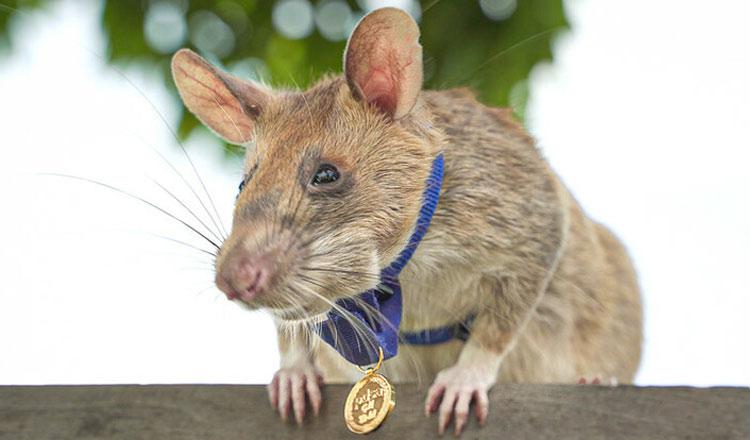
Magawa, the hero rat is retiring! Why is this so important? Because this little fella saved hundreds if not thousands of lives. Lets get a little more into this little guy’s background and see why he deserves the Medal of Honor.
The little blighter done more for humanity than I have!
What is Magawa?
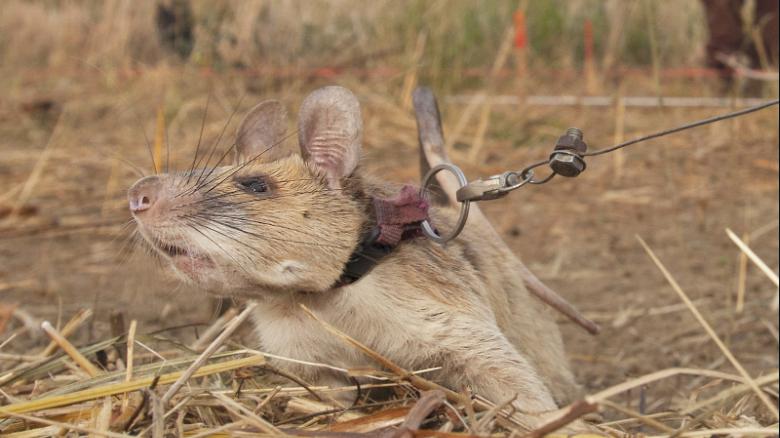
Well Magawa who has been getting all the hype lately is a bomb-sniffing rat. He sniffs out landmines so they can be found and denotated early so that no unsuspecting passerby will get hurt. Magawa is no ordinary rat though, he is from the genus Cricetomys emin or aka African Pouch Rat. Native to African country of Gambia.
So what Makes Little Magawa Right for the Job?
Not every rat on the road can do this job. Generally speaking African Pouch Rats are friendly and tame little critters that can be easily trained are nimble on their feet. These Pouch Rats are used to walking on the soft sands of sub-saharan Africa and have sensitive noses that they use to search for food in the wastelands of Southern Africa.
There the little fella back on the job!
Magawa fits his job description perfectly. Though not only the skills that make Magawa perfect for the job, its his training as well. Magawa was trained by Belgian organization called Apopo: a company that trains rats for sniffing diseases and landmines. In general, it takes nine months to a year to become a fully fledged mine sniffing rat. Even after the training they go through tests and different samples make sure they are right for the job.
So What has Magawa Accomplished and Where is He Now?
The versatile rodent has cleared as many as 225,000 square meters clear of landmines which is about 42 soccer pitches in his 5 year service.
After June 2021, Magawa has retired from his line of work and oversaw new recruits for a few weeks then afterwards lived out his live peacefully enjoying his peanuts and bananas.
As of January 2022, Magawa passed away peacefully at the age of 8yrs becoming HEROrat most successful rodent.
What is the APOPO HEROrat initiative?
APOPO (Anti-Persoonsmijnen Ontmijnende Product Ontwikkeling) is NGO that specializes in the training of these southern pouched rats (which are refered to as HEROrats) in the detection of landmines and tubercolosis. But APOPO not only has HEROrats but also HEROdogs and HEROtrees that help in making the world a better place.
If you are looking for more information on the organization and how you can help, check their website: https://apopo.org/









 The Daily Pumpernickel